Choosing a TENS Massager in 2026 is about more than picking the device with the most modes. The right option should feel comfortable, fit your routine, and offer clear instructions for electrode placement and intensity. A small screen, stiff wires, or pads that lose their grip can matter more in daily use than a long list of features. Comfort matters.
This guide looks at the practical details worth comparing: adjustable settings, battery life, pad availability, portability, and ease of cleaning. It also explains how to check product specifications and recognize claims that sound more certain than the evidence allows. TENS devices deliver mild electrical pulses through skin electrodes; they are not a cure, and results can vary from person to person. Read the label. Follow the manufacturer’s directions, and ask a qualified healthcare professional whether TENS is suitable for you, especially if you have an implanted electronic device, are pregnant, or have a relevant medical condition. A lower price may be appealing, but replacement pads and clear support matter too. There may not be one perfect model. The best choice is the one you can use safely, comfortably, and consistently.
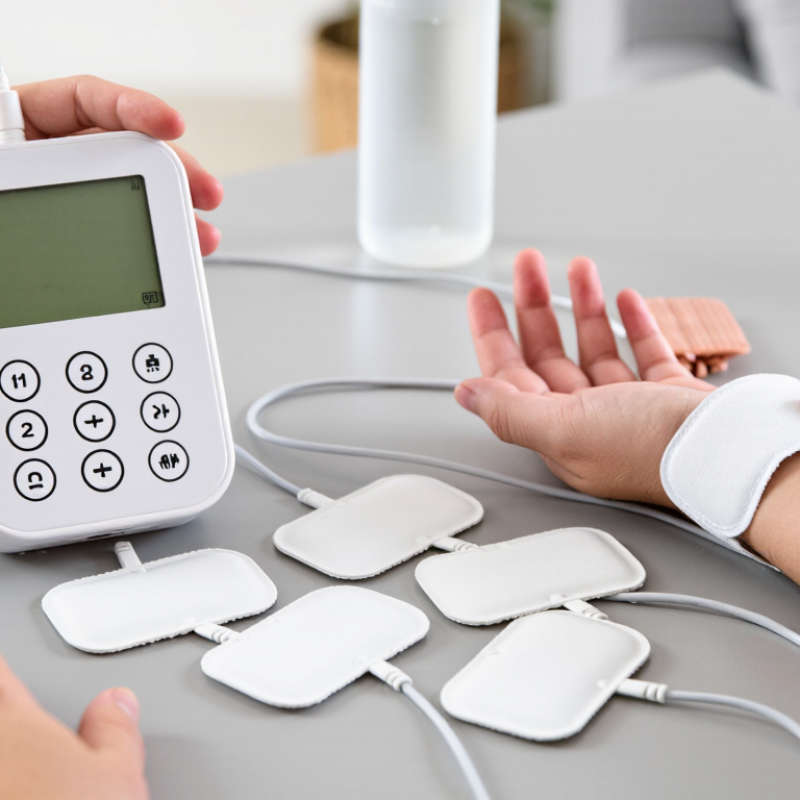
How to Choose the Best TENS Massager in 2026
Understanding How TENS Massagers Work
A TENS massager sends small electrical pulses through adhesive electrode pads placed on the skin. You may feel a gentle tingling or tapping. The pulses can influence how pain signals travel to the brain, and may also encourage the body’s own pain-modulating systems. Researchers still debate exactly how these effects work. It is not a cure.
A 2022 systematic review in BMJ Open, known as the meta-TENS study, examined 381 studies involving 24,532 people. It reported lower pain intensity during or just after TENS, compared with placebo. Results and evidence quality varied, so response is not guaranteed. That matters when choosing a device: adjustable intensity and pulse settings can help you find a comfortable sensation, rather than simply turning the power higher. Gentle, steady stimulation is the aim.
Fit matters, too. Pads should sit on clean, dry skin, with enough space between them for even contact. Poorly placed pads can feel sharp or irritating. Start low. Stop if you feel pain, notice a rash, or develop unusual symptoms. TENS may not suit everyone, including people with implanted electrical devices; check with a clinician if you have a medical condition or are unsure where pads belong. Real-life use can be less tidy than the diagrams. Skin, placement, and comfort all affect the experience.
Choose a TENS massager around the pain you need to manage, not a generic promise of relief. Is discomfort in one small area, such as a tight shoulder, or does it spread across your lower back? The WHO’s 2023 low-back-pain fact sheet estimates that 619 million people experienced lower back pain in 2020. That scale matters, but your own pain pattern matters more. Note when symptoms appear, what activities trigger them, and whether the sensation is sharp, aching, or tingling.
Think about where and how you will use the device. For a shoulder or calf, check whether the electrode pads can reach the area comfortably. For home use, simple controls and clear intensity steps may be more useful than extra modes. Start with the task. Can you adjust it without removing the pads? CDC’s 2023 National Health Interview Survey estimated that 24.3% of U.S. adults had chronic pain, including 8.5% with high-impact chronic pain. These figures describe need, not guaranteed TENS effectiveness.
TENS generally provides temporary symptom relief; it does not identify or repair the cause of pain. Follow the device instructions, and stop if stimulation feels painful or irritates your skin. Ask a healthcare professional before use if you have an implanted electronic device, reduced sensation, or unexplained pain. A feature list can look reassuring, yet the best fit may be the device you can position safely and operate consistently. That is not always the most impressive-looking one.
| Pain-Relief Need | Intended Use | Features to Compare | Practical Checks | Important Considerations |
|---|---|---|---|---|
| Occasional discomfort in one small area | Short sessions at home or while seated | A simple control layout, adjustable intensity, and a small number of clearly described programs | Check that the controls are easy to operate and that replacement electrode pads are available | Start at a low intensity and increase gradually to a strong but comfortable tingling sensation, not pain |
| Discomfort across a larger area, such as the lower back | Targeting two nearby areas during a session | Two independently controlled channels and compatibility with four electrode pads | Confirm whether the device includes enough pads and whether its instructions show safe pad layouts | Do not place electrodes so that current passes across the chest, or on the front or sides of the neck |
| Recurring muscle or joint discomfort | Regular use as part of a broader self-care plan | Adjustable settings, a timer, durable leads, and straightforward pad replacement | Review the manual for session guidance, cleaning instructions, warranty terms, and ongoing pad costs | TENS may provide temporary symptom relief; it does not diagnose or treat the underlying cause |
| Discomfort when away from home | Portable use during breaks or travel | Compact size, secure lead connections, a lock or simple controls, and a rechargeable or readily available power source | Check battery life, charging method, and whether the device can be used comfortably without restricting movement | Do not use a TENS device while driving, operating machinery, bathing, or sleeping |
| Sensitive skin or frequent pad use | Repeated application and removal of electrodes | Readily available replacement pads and clear guidance on electrode care and skin preparation | Check pad size, connector type, storage instructions, and the manufacturer’s recommended replacement schedule | Apply pads only to clean, intact skin; stop use if skin irritation, burning, or discomfort develops |
| Uncertain pain location, cause, or treatment suitability | Choosing a device after a health-professional discussion | Clear instructions, adjustable output, and accessible customer support for safe-use questions | Ask a clinician or pharmacist whether TENS is appropriate for your symptoms and where electrodes may be placed | Seek medical advice before use if you have an implanted electronic device, are pregnant, or have a condition that may affect sensation or safe electrode placement |
Safety note: Follow the device instructions and professional advice. Do not apply electrodes to broken or irritated skin, areas with reduced sensation, the head, or the front or sides of the neck. Get medical attention for severe, worsening, unexplained, or persistent pain.
A TENS massager may use wired or wireless electrodes, and each design suits a different routine. Wired units often offer several channels, letting you adjust separate pad pairs. The cables can snag on clothing, though. Wireless models reduce clutter but may need charging and careful pad placement. Think about where you will use the device: at a desk, on a sofa, or while traveling. A compact case helps keep pads clean between sessions.
Settings matter more than a long list of modes. Look for adjustable intensity, pulse rate, and session length, with controls you can understand without squinting. Start at a comfortable, low intensity and follow the device instructions; stronger stimulation is not automatically better. A simple screen can still feel confusing. I would check whether settings are easy to change mid-session, because that small detail is often overlooked.
Electrode size and shape affect coverage and fit. Larger pads can cover broader muscle areas, while smaller ones may be easier to position around a specific spot. Reusable gel pads need clean, dry skin and careful storage to maintain adhesion. Replace them when they stop sticking evenly. Avoid placing electrodes on the front of the neck or across the chest, and consult a healthcare professional if you have an implanted electronic device or are unsure whether TENS is suitable for you. The instructions are not always as clear as they should be, so read them before use.
A TENS massager should feel manageable, not mysterious. Safety starts with clear instructions and adjustable intensity, so you can begin gently and stop if stimulation feels painful or causes unusual skin irritation. Check that the pads fit securely and that replacement electrodes are easy to find. Small details matter.
People with implanted electrical devices, or those who are pregnant or have a seizure condition, should ask a healthcare professional before using TENS. Follow the device instructions for pad placement; avoid placing electrodes on the head or across the chest. Do not use the unit while driving, bathing, or sleeping. These precautions can feel fussy, but skipping them is not worth the guesswork.
Comfort also depends on everyday usability. Look for simple buttons, a readable screen, a timer, and a lead length that lets you sit naturally on the sofa. Soft, well-fitting pads can be less distracting during a short session. A compact case helps keep pads clean in a work bag. No fancy extras needed. I would still check battery life and control layout before buying; tiny buttons can be frustrating when your hands are tired. The right choice is the one you can operate calmly and use as directed.
Choosing a TENS massager responsibly starts with realistic expectations. The World Health Organization estimated that 619 million people experienced low back pain in 2020, with cases projected to reach 843 million by 2050. That burden does not mean TENS suits every kind of pain. NICE guideline NG193 advises against offering TENS for chronic primary pain, reflecting uncertainty about its benefits. Ask a clinician or pharmacist whether it fits your condition, especially if you have an implanted electronic device, are pregnant, or have reduced skin sensation.
Check the manual before placing pads. Avoid the front of the neck, broken skin, and areas that feel numb. Start at a gentle intensity; a strong pulse is not proof of a better result. Keep sessions short at first, and stop if you feel pain, dizziness, or skin irritation. Never use the device while driving or bathing. Small details matter.
Note the setting, session length, and how you feel afterward. A simple paper log can reveal whether relief lasts beyond the session, though it is easy to overlook other factors, such as sleep or activity. If symptoms worsen or persist, seek professional advice rather than repeatedly increasing the intensity. TENS can be a tool, not a diagnosis or a substitute for care.
It sends small electrical pulses through adhesive pads on your skin. You may feel gentle tapping or tingling. The exact effects are still debated, and it is not a cure.
A review of 381 studies reported lower pain during or shortly after TENS than with placebo. Results varied, so relief is not guaranteed. That uncertainty is worth remembering.
Look for adjustable intensity, pulse rate, and session length. Start low and increase only to a comfortable level. Stronger is not automatically better.
Wired units may offer several channels, but cables can snag on clothing. Wireless models reduce clutter, though they need charging and careful placement. Small trade-offs matter.
Larger pads cover broader areas; smaller pads can fit around a specific spot. Place them on clean, dry skin with even contact. Poor placement may feel sharp.
Avoid the front of your neck, your head, and across your chest. Follow the device instructions. Stop if stimulation hurts or your skin develops a rash.
Ask first if you have an implanted electrical device, are pregnant, or have a seizure condition. Check with a clinician if you have another medical condition or feel unsure.
A readable screen, simple buttons, a timer, and a useful lead length can make sessions easier. Check battery life and pad replacements, too. Tiny buttons can be frustrating.
Choosing the best TENS Massager in 2026 starts with understanding how transcutaneous electrical nerve stimulation works: the device sends mild electrical pulses through electrodes placed on the skin, which may help some people manage pain. Consider where and when you plan to use it, the type of discomfort you hope to address, and whether you need a portable option for everyday routines. These details can help narrow down the most suitable device.
Compare available device types, adjustable settings, and electrode shapes or sizes to find an option that feels comfortable and fits your intended use. Look for clear controls, practical battery life, and straightforward instructions, while checking that the device is designed for safe use. Follow the supplied guidance on electrode placement and session length, and stop if you experience discomfort or irritation. A TENS Massager is not a substitute for professional medical advice, so consult a healthcare professional if you have questions about whether it is appropriate for you.